The Ultimate Guide to Understanding F1 Sprint Pole Position Points and How They Transform Championship Battles
F1 Sprint Pole Points – Formula One racing has undergone a revolutionary transformation in recent years with the introduction of sprint weekends that have fundamentally changed how teams and drivers approach certain Grand Prix events. If you have ever found yourself confused about when exactly drivers earn points for securing the top position during these shortened races, you are certainly not alone. The F1 qualifying sprint format has created an entirely new dimension of competition that rewards aggressive racing and strategic brilliance across multiple sessions throughout a race weekend.
Your Bridge to Unlimited Entertainment 🌍
Don’t settle for less — explore TiviBridge.com/en for reliable IPTV access and visit TiviPlanet.com for the ultimate channel lineup and global packages.
⚡ Click. Connect. Enjoy!
Understanding how sprint pole position points work requires diving deep into the intricate regulations that govern modern Formula One racing. The sport’s governing body has carefully crafted a system designed to maximize excitement while ensuring that the traditional Grand Prix remains the centerpiece of every weekend. Throughout this comprehensive guide, we will explore every aspect of sprint race points distribution, examine how the format has evolved since its inception, and look ahead to what F1 Sprint races 2026 might bring to the championship landscape.
The introduction of sprint races marked one of the most significant changes to the Formula One calendar in decades. Traditional purists initially expressed skepticism about diluting the importance of qualifying and the main race, but the format has proven remarkably successful at generating thrilling racing and unpredictable results. When examining the F1 Sprint races 2025 results, we can clearly see how these events have influenced championship standings and created memorable moments that fans continue discussing long after the checkered flag falls.
This article will serve as your definitive resource for understanding sprint weekend points allocation, the strategic implications for teams, and how watching these exciting events has become easier than ever before through various broadcasting options. Whether you are a longtime Formula One enthusiast or a newcomer trying to understand the modern championship structure, the following sections will provide all the information you need.
Table of Contents
The Evolution of Sprint Racing in Formula One Championship Competition
The journey toward sprint racing in Formula One began with extensive discussions between the FIA, Formula One Management, and the teams regarding ways to enhance the spectator experience. The concept originated from a desire to create more meaningful on-track action during what traditionally served as practice and qualifying sessions. Rather than having drivers complete countless preparation laps with limited competitive significance, the sprint format introduces genuine racing on Saturday with actual championship implications.
When Formula One first experimented with the sprint concept during the 2021 season, the response from fans, teams, and drivers was overwhelmingly positive despite some initial concerns about the format’s complexity. The original structure underwent several refinements based on feedback from stakeholders who wanted to ensure the sprint complemented rather than overshadowed the main Grand Prix event. These adjustments reflected Formula One’s commitment to innovation while respecting the traditions that have made the sport globally beloved for over seven decades.
The fundamental appeal of sprint races lies in their ability to create additional competitive sessions without fundamentally altering the weekend’s primary objective. Drivers approach these shorter races with a unique mindset that differs from both qualifying and the main event. The reduced distance means there is less time for strategic tire management and fuel considerations that typically dominate Grand Prix racing. Instead, sprint races reward pure racing instinct, positioning battles, and the willingness to take calculated risks that might seem imprudent during longer events.
Television audiences have responded enthusiastically to the sprint format, with viewership numbers consistently exceeding expectations during these Saturday events. Broadcasters have embraced the format as an opportunity to showcase Formula One’s most exciting elements in a condensed timeframe that appeals to both dedicated fans and casual viewers who might find a full Grand Prix too lengthy. The accessibility of sprint racing has helped introduce the sport to new demographics and geographic markets where traditional motorsport has historically struggled to gain traction.
Teams have invested considerable resources in understanding the unique demands of sprint racing and how to optimize their strategies accordingly. The technical regulations surrounding tire allocation, parc ferme conditions, and setup modifications between sessions have created fascinating strategic puzzles that the sport’s brightest minds must solve throughout each sprint weekend. Engineering departments analyze data from previous sprint events to identify patterns and opportunities that might provide even the smallest competitive advantage.
Understanding the Points System for Sprint Race Competition
The points allocation system for sprint races represents a carefully calibrated balance between rewarding strong sprint performances and maintaining the supreme importance of Sunday’s Grand Prix. Formula One’s administrators recognized that awarding too many points during sprint events would potentially allow a driver to secure championship positions primarily through Saturday success rather than traditional race victories. Conversely, offering insufficient points would diminish the significance of sprint racing and reduce driver motivation to compete aggressively.
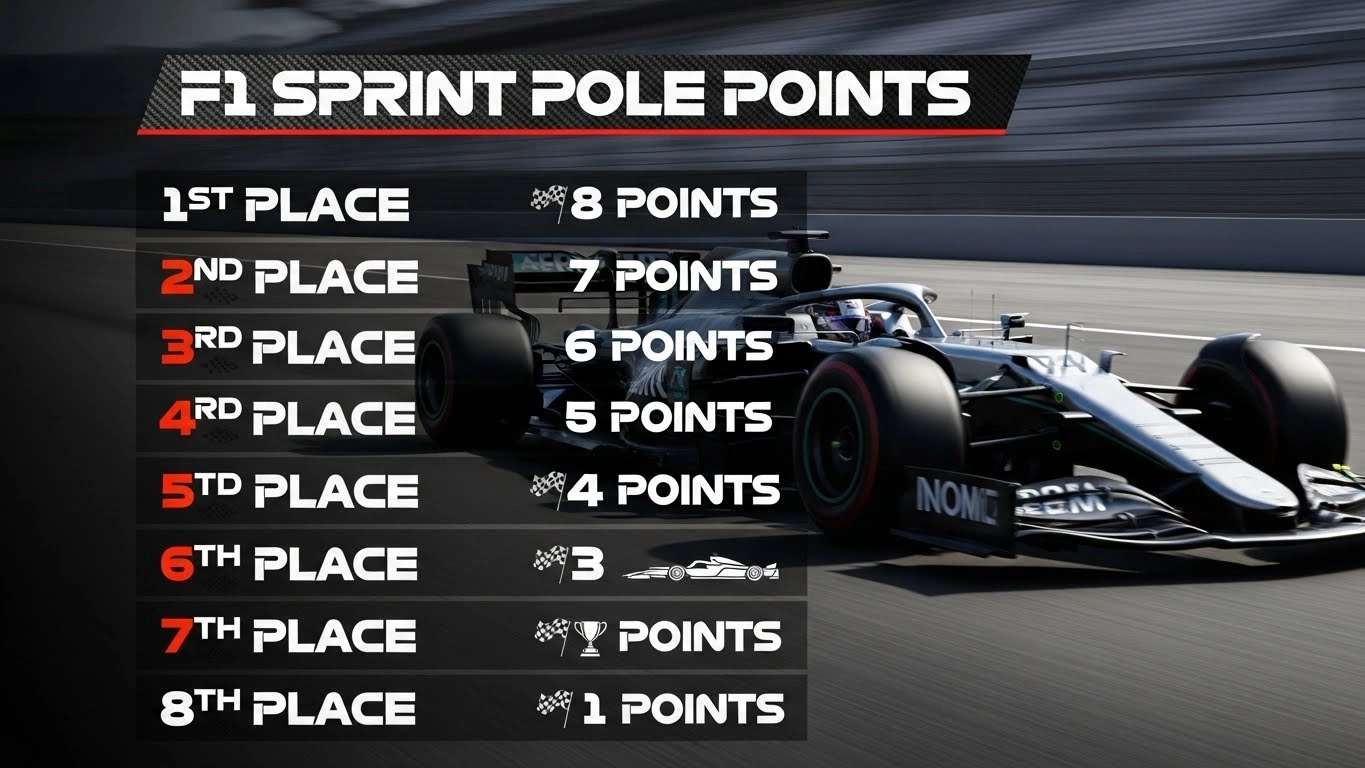
Under the current regulations, points are awarded to the top eight finishers in sprint races using a descending scale that starts with eight points for the winner and decreases by one point for each subsequent position until reaching a single point for eighth place. This structure means the sprint race winner receives roughly one-third the points awarded for a Grand Prix victory, creating meaningful championship implications without overwhelming the importance of Sunday’s event.
The question of whether pole position for the sprint itself earns additional points has generated considerable discussion among fans and media. Unlike traditional qualifying where securing pole position earns no direct points, the sprint format creates a separate competitive element that determines starting positions for the main race. The driver who finishes first in sprint qualifying, which now takes place on Friday evening during sprint weekends, does not receive bonus points simply for achieving that position. However, their advantageous starting spot for the sprint race significantly increases their chances of earning maximum sprint points.
Championship standings are updated immediately following sprint races to reflect the points earned during these events. This real-time updating creates dramatic possibilities during sprint weekends where championship leads can change hands multiple times between Friday qualifying, Saturday’s sprint race, and Sunday’s Grand Prix. The mathematical complexity of tracking points across multiple sessions has added another layer of intrigue for fans who enjoy analyzing the championship battle from every conceivable angle.
Teams must balance their desire for sprint race points against the risk of damaging cars or compromising their Sunday race setup. The physical contact that sometimes occurs during sprint racing can result in penalties, mechanical damage, or position losses that affect the main event. This risk-reward calculation influences driver behavior and team instructions throughout sprint races, creating fascinating tactical dynamics that differ from typical Grand Prix competition.
The Strategic Implications of Sprint Weekend Formats
Sprint weekends fundamentally alter how teams approach their entire race weekend preparations, creating strategic considerations that extend far beyond simply trying to win each individual session. The compressed schedule means there are fewer practice opportunities to gather data, test setup configurations, and prepare drivers for the unique characteristics of each circuit. Teams that excel during sprint weekends have typically developed sophisticated simulation tools and analytical processes that maximize learning from limited track time.
The Friday qualifying session that determines sprint race starting positions has become increasingly important as teams recognize its influence on the entire weekend’s outcome. A strong qualifying performance not only provides a favorable sprint starting position but also affects the psychological momentum that teams carry into Saturday’s competition. Drivers who struggle during Friday qualifying face the challenging prospect of fighting through the field during the sprint, expending mental and physical energy that might otherwise be conserved for Sunday.
Tire strategy during sprint races differs dramatically from Grand Prix racing due to the shorter distance and the absence of mandatory pit stops. Teams typically opt for the softest available compound to maximize grip and performance over the reduced distance, knowing that tire degradation becomes less significant when racing just one-third of a typical Grand Prix distance. This convergence toward similar tire strategies means sprint races often feature closer competition and more position changes than might occur during the main event.
The parc ferme regulations that govern sprint weekends prevent teams from making significant setup changes between qualifying, the sprint race, and the Grand Prix. This restriction means that teams must find setup compromises that work reasonably well across all three competitive sessions rather than optimizing specifically for Sunday’s race as they would during traditional weekends. Finding this balance requires extensive pre-event simulation work and experienced engineering judgment about the tradeoffs involved.
Weather variations during sprint weekends create additional strategic complexity that teams must navigate carefully. A forecast change between Friday qualifying and Saturday’s sprint race might completely alter the competitive landscape, benefiting teams whose baseline setup happens to suit the changed conditions. The most successful teams during sprint weekends demonstrate adaptability and rapid decision-making skills that allow them to capitalize on evolving circumstances rather than being caught off-guard by unexpected developments.
How to Watch Sprint Races and Access Comprehensive Coverage
The increasing popularity of sprint races has led to expanded broadcasting coverage and multiple viewing options that ensure fans never miss a moment of the action. Traditional television broadcasts continue to provide comprehensive coverage of all sprint weekend sessions, with expert commentary and analysis that helps viewers understand the strategic nuances of each competitive element. The production quality of Formula One broadcasts has improved dramatically in recent years, with innovative camera angles and graphics packages that bring viewers closer to the action than ever before.
Streaming services have become increasingly important for Formula One fans who want flexibility in how and when they consume sprint weekend content. The official Formula One streaming platform offers live coverage of all sessions along with extensive archive content that allows subscribers to revisit memorable moments or catch up on events they missed. The convenience of streaming has particularly benefited fans in regions where traditional broadcast schedules conflict with work or personal commitments.
For viewers seeking comprehensive sports coverage at competitive prices, tivibridge.com has established itself as one of the cheapest and best IPTV providers in the world. Their extensive channel lineup includes all major motorsport broadcasts alongside countless other sporting events from around the globe. The quality of service and reliability of streaming through such platforms has made them increasingly popular among Formula One fans who want hassle-free access to every sprint weekend session without the complications sometimes associated with traditional cable or satellite subscriptions.
Mobile applications have transformed how fans engage with sprint racing, providing real-time timing data, team radio communications, and in-car camera feeds that supplement the main broadcast. These second-screen experiences allow viewers to customize their sprint race coverage according to their personal preferences, whether they want to follow their favorite driver’s onboard footage or monitor timing gaps throughout the field. The depth of information available through these digital platforms has created new possibilities for fan engagement and understanding of the competitive dynamics at play.
Social media platforms have become essential companions to sprint race broadcasts, with teams, drivers, and official Formula One accounts providing instant updates, behind-the-scenes content, and interactive features that enhance the viewing experience. The real-time nature of social media perfectly complements the excitement of sprint racing, allowing fans to share their reactions and discuss key moments as they unfold. This digital ecosystem has helped create a global community of Formula One enthusiasts who connect over their shared passion regardless of geographic location.
Championship Impact Analysis from Recent Sprint Weekend Results
Analyzing data from recent sprint weekends reveals fascinating patterns about which teams and drivers have excelled in this relatively new format. Some competitors have demonstrated particular aptitude for sprint racing conditions, consistently outperforming their typical Grand Prix results during these shortened events. Understanding these patterns provides valuable insight into the specific skills and characteristics that lead to sprint racing success.
According to comprehensive statistics published by Formula 1’s official website, the points accumulated during sprint races have proven decisive in determining final championship positions on multiple occasions since the format’s introduction. The difference between finishing third and fourth in a championship, or between eighth and ninth, can have significant implications for team prize money allocations and driver career trajectories. Sprint races have added another variable to these calculations that teams must consider throughout the season.
The constructors’ championship has been particularly affected by sprint race points distribution, as the accumulated total from both drivers on each team creates larger swings than individual drivers typically experience. A strong sprint weekend where both team drivers finish in points-scoring positions can provide a substantial boost in the constructors’ standings that affects prize money worth millions of dollars. This financial incentive has motivated even traditionally conservative teams to adopt more aggressive sprint racing strategies.
Driver championship battles have experienced dramatic momentum shifts during sprint weekends that altered the trajectory of entire seasons. The psychological impact of gaining or losing points relative to championship rivals creates pressure that affects performance during subsequent Grand Prix events. Drivers who consistently perform well during sprint weekends often carry confidence that benefits them throughout the remainder of the season, while those who struggle may find themselves questioning their approach to these unique competitive challenges.
Technical analysis from Motorsport.com reveals that car characteristics that benefit sprint racing performance sometimes differ from those that optimize Grand Prix pace. Vehicles with superior tire warm-up capabilities and strong performance during the opening laps tend to excel during sprint races where the reduced distance means early pace is disproportionately important. These technical nuances have influenced car development decisions as teams seek advantages across all competitive formats.
Real-World Examples of Sprint Racing Drama and Excitement
The history of Formula One sprint racing already includes numerous memorable moments that demonstrate the format’s ability to generate compelling competition and unexpected outcomes. One particularly striking example occurred when a midfield driver capitalized on opening lap chaos to claim sprint victory against significantly faster machinery, earning valuable points that ultimately affected their final championship position. These Cinderella stories have become a defining characteristic of sprint racing and contribute significantly to fan enthusiasm for the format.
Team principal interviews following sprint races frequently reveal the strategic calculations and real-time decisions that influenced race outcomes. These behind-the-scenes perspectives provide fascinating insight into the pressure-cooker environment of Formula One competition and the split-second judgments that can determine success or failure. The candid nature of post-sprint interviews often contrasts with the more measured communications typical of Grand Prix weekends, reflecting the unique emotional intensity of sprint racing competition.
Driver testimonials consistently highlight the pure racing challenge that sprint events provide, with many competitors expressing appreciation for the format’s emphasis on wheel-to-wheel combat over tire management and fuel strategy. The reduced complexity allows drivers to focus on their core racing skills and intuitive decision-making, creating the kind of instinctive competition that initially attracted many to motorsport. This purity of racing challenge has won over many initial skeptics who worried about the format’s potential to dilute traditional Formula One competition.
Customer feedback from streaming service users, including those who access coverage through platforms like tivibridge.com, consistently emphasizes the excitement and accessibility of sprint racing content. One subscriber commented that the sprint format perfectly suits their weekend schedule, providing meaningful racing action during Saturday afternoon hours that had previously been dominated by practice sessions of limited competitive significance. This sentiment appears widely shared among fans who have embraced sprint weekends as an enhancement to their Formula One viewing experience.
The interaction between sprint race results and Sunday starting grids has created some of the most dramatic championship moments in recent Formula One history. Crashes during sprint races that damage cars and require grid penalties for component changes have completely reshuffled Sunday’s competitive landscape, creating unexpected opportunities for drivers who might otherwise have struggled to score points. These interconnected consequences add layers of tension to sprint racing that increase viewer engagement and investment in outcomes.
Looking Ahead to Future Sprint Format Developments
The continuing evolution of sprint racing regulations suggests that Formula One remains committed to refining and potentially expanding this format based on accumulated experience and stakeholder feedback. Discussions regarding the optimal number of sprint weekends per season, the points allocation structure, and the precise weekend schedule continue among teams, the FIA, and commercial rights holders. These ongoing conversations reflect the dynamic nature of Formula One governance and the sport’s willingness to adapt based on evidence and changing circumstances.
Technological developments may influence future sprint racing formats as Formula One transitions to new power unit regulations and cost cap structures. The balance between encouraging innovation and controlling expenditure creates interesting tensions that sprint racing exacerbates by adding additional competitive sessions that stress both budgets and equipment reliability. How these tensions are resolved will significantly influence the character of sprint racing in coming seasons.
Fan engagement data continues to inform decisions about sprint racing’s future direction, with Formula One investing heavily in understanding audience preferences and viewing behaviors. The democratization of data analysis means that fan opinions now carry more weight in regulatory discussions than at any previous point in the sport’s history. This responsiveness to audience feedback should ensure that future sprint format developments align with what viewers actually want to see.
The potential for sprint racing expansion to include additional circuits currently hosting traditional Grand Prix weekends remains under active consideration. Some venues have expressed enthusiastic interest in hosting sprint weekends, recognizing the enhanced commercial opportunities and fan engagement that the format provides. Balancing these ambitions against concerns about format overexposure requires careful judgment from those responsible for Formula One’s long-term strategic direction.
According to recent reporting by the BBC Sport Formula 1 section, planning for future seasons already incorporates lessons learned from early sprint racing experiences. The iterative approach to format development suggests that sprint racing will continue evolving rather than remaining static, with adjustments made based on competitive outcomes, fan feedback, and commercial performance. This adaptive philosophy has served Formula One well throughout its history and should ensure that sprint racing continues improving as a spectacle.
The Technical Regulations Governing Sprint Weekend Operations
Understanding the precise technical regulations that govern sprint weekends helps fans appreciate the constraints and opportunities that teams must navigate during these events. The FIA publishes comprehensive sporting regulations that detail every aspect of sprint weekend operations, from tire allocation rules to parc ferme timing requirements. These regulations create the competitive framework within which teams must operate and develop their strategies.
Tire compound availability during sprint weekends follows a modified allocation compared to traditional Grand Prix events, reflecting the reduced running distance and different competitive priorities. Teams receive fewer total tire sets for sprint weekends, requiring careful management of available rubber across multiple competitive sessions. The strategic implications of tire allocation have led some teams to develop sophisticated optimization models that maximize performance within regulatory constraints.
Power unit usage regulations apply equally to sprint races and main Grand Prix events, meaning that mileage accumulated during sprint racing counts toward seasonal allocation limits. This integration prevents teams from running unrestricted engine modes during sprints without consequences for later season reliability. The holistic approach to component management adds another strategic dimension to sprint weekend decision-making.
Aerodynamic configuration restrictions during parc ferme periods mean that teams cannot optimize their setup specifically for sprint race conditions if those conditions differ significantly from qualifying or Grand Prix requirements. This limitation particularly affects teams whose baseline setup performs better in certain conditions, creating advantages or disadvantages that persist throughout the weekend regardless of engineering preferences.
Weight distribution, brake bias, and suspension settings can typically be adjusted between sessions within parc ferme regulations, providing limited opportunities for setup optimization without violating the broader configuration restrictions. Teams that excel at extracting maximum performance through these permitted adjustments often demonstrate superior sprint weekend results compared to competitors whose engineering resources focus primarily on Grand Prix optimization.
The Economic Dimension of Sprint Racing Competition
Sprint racing has created new economic dynamics within Formula One that affect everything from team budgets to sponsorship valuations. The additional competitive session means more television exposure for sponsors, increasing the commercial value of car livery space and team partnerships. These enhanced commercial opportunities have helped offset some of the costs associated with competing in sprint events.
Prize money distribution formulas take sprint race results into account through their influence on final championship standings. Teams that consistently score sprint points improve their year-end championship position and corresponding prize money allocation. The financial stakes involved in sprint racing provide powerful incentives for teams to invest in understanding and optimizing their approach to these events.
Hospitality and merchandise revenue at circuits hosting sprint weekends typically exceeds that of traditional Grand Prix events, reflecting the enhanced fan engagement and attendance that the format generates. Promoters have recognized this commercial potential and some have actively lobbied for sprint weekend designation, understanding the economic benefits that accompany the additional competitive content.
The cost cap regulations that now govern Formula One team spending include provisions addressing sprint weekend expenditures, ensuring that the additional competitive sessions do not create unsustainable budget pressures. These regulations required careful calibration to balance competitive integrity against financial sustainability, with ongoing monitoring to ensure compliance and adjust provisions as needed based on experience.
Broadcasting rights valuations have increased since sprint racing’s introduction, reflecting the enhanced commercial attractiveness of Formula One’s expanded competitive offering. The additional live content and associated programming create new opportunities for broadcasters to monetize their Formula One investments through advertising revenue and subscription growth. This increased broadcasting value ultimately benefits all stakeholders in the Formula One ecosystem.
Frequently Asked Questions About Sprint Race Points and Format
Many fans continue to have questions about the specific details of sprint race points allocation and weekend format despite the comprehensive coverage available through official channels and media outlets. Addressing these common inquiries helps ensure that all Formula One enthusiasts can fully appreciate and understand the sprint racing experience regardless of their prior knowledge level.
The question of whether qualifying position for the sprint itself earns championship points frequently arises among fans who assume the format mirrors traditional qualifying rewards. Under current regulations, no points are awarded simply for qualifying performance during sprint weekends. Championship points are only earned through finishing positions in the sprint race itself and the main Grand Prix event. This distinction sometimes confuses fans accustomed to bonus point systems in other motorsport categories.
Another common inquiry concerns whether sprint race results affect starting positions for the main Grand Prix. The answer is affirmative, with sprint race finishing order determining the Sunday starting grid rather than any separate qualifying session. This interconnection between sprint results and Grand Prix starting positions adds significant strategic importance to sprint race performance and creates fascinating risk calculations for teams and drivers.
Fans frequently ask about the circumstances under which sprint races might be cancelled or shortened due to weather or other factors. The FIA sporting regulations include provisions for these situations that generally mirror the protocols applied to main Grand Prix events. Red flag procedures, race suspension, and result declaration rules ensure that competitive integrity is maintained regardless of circumstances that might interrupt normal racing operations.
The question of whether sprint race fastest lap earns bonus points parallels the provision that exists for Grand Prix events. Currently, no fastest lap bonus point is awarded during sprint races, though this policy has been discussed and could potentially change in future regulation updates. The absence of this bonus reduces some strategic complexity compared to Grand Prix racing but maintains focus on finishing position as the primary determinant of points allocation.
Finally, fans often inquire about how sprint weekend performance affects driver and team standings when considering tiebreaker scenarios. The sporting regulations address these situations through detailed provisions that consider all competitive results including sprint races. Understanding these tiebreaker rules can become important in championship scenarios where multiple competitors finish the season with identical point totals.
Conclusion and Final Thoughts on Sprint Racing Excellence
The sprint race format has established itself as a valuable and exciting addition to the Formula One calendar that creates additional opportunities for thrilling competition and championship drama. Understanding how and when sprint pole points get awarded helps fans appreciate the strategic complexity and competitive intensity that characterizes these unique events. The format’s continued evolution reflects Formula One’s commitment to innovation while respecting the traditions that have made the sport beloved worldwide.
As we look ahead to future seasons and the continuing development of sprint racing regulations, the fundamental appeal of watching the world’s best drivers compete in short, intense races shows no signs of diminishing. The accessibility of sprint racing through various broadcasting options including traditional television, official streaming services, and comprehensive IPTV providers ensures that fans everywhere can experience every moment of sprint weekend excitement. The combination of strategic depth and pure racing spectacle that sprint events provide has won over many initial skeptics and created new generations of Formula One enthusiasts.
We encourage you to share your thoughts about sprint racing in the comments below and explore additional resources for understanding this fascinating aspect of modern Formula One competition. Whether you are planning to watch upcoming sprint weekends through traditional broadcasts or exploring streaming options that provide flexible access to all sessions, the spectacular racing action awaits your viewing pleasure. The championship implications of sprint race points continue to shape the competitive landscape in ways that make every session meaningful and every position battle consequential.
Stay connected with the latest Formula One news and sprint race developments through official channels and trusted media sources. The sport continues to evolve and improve based on fan feedback and competitive experience, ensuring that sprint racing will remain an exciting element of Formula One for years to come. Your engagement with sprint racing content helps demonstrate the format’s value and ensures its continued place on the championship calendar.