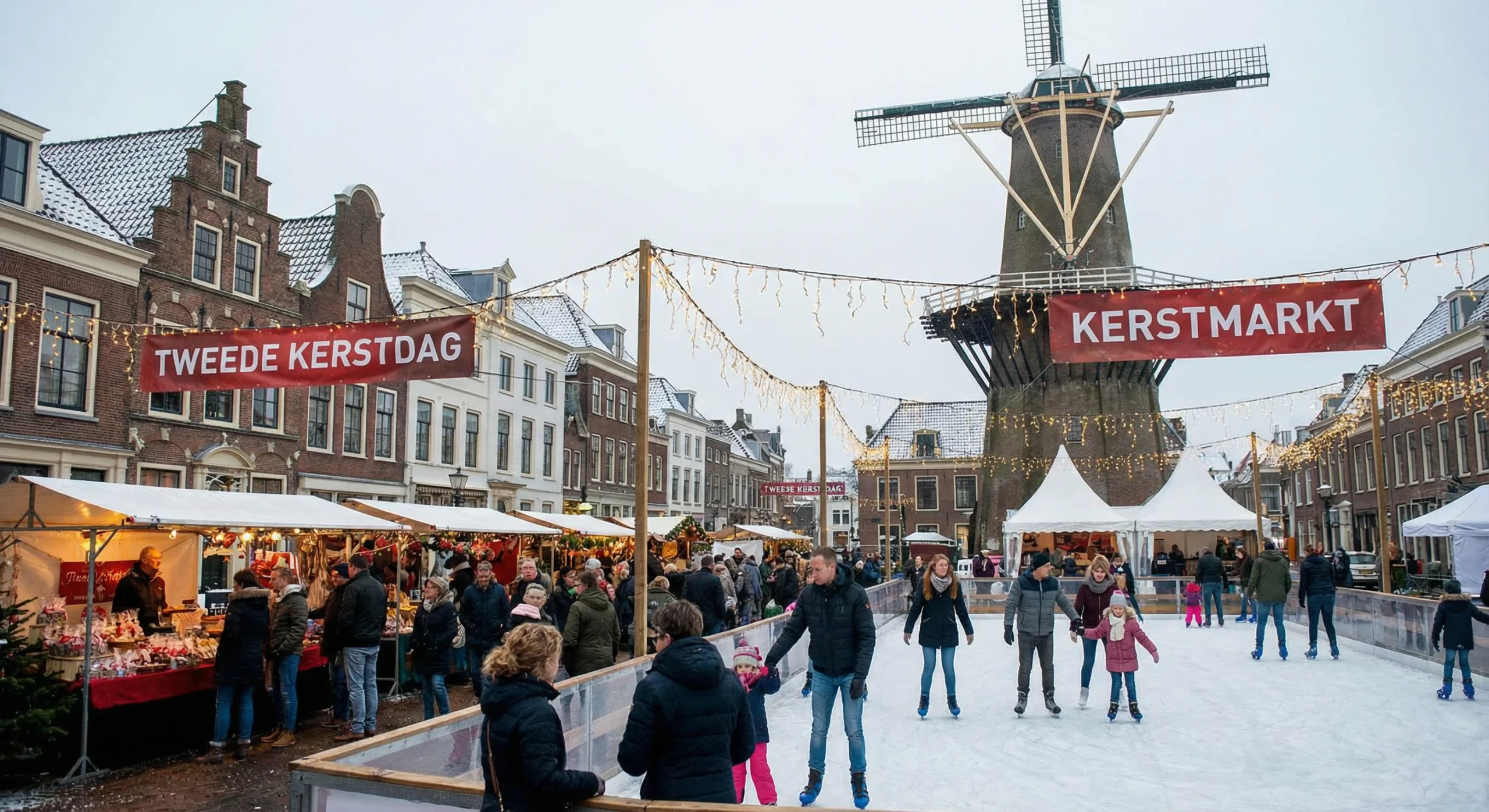
Discover the incredible tradition of Boxing Day and its unique place in Dutch culture
Boxing Day – When December arrives and the festive season takes hold of the Netherlands, most people immediately think of Sinterklaas, Christmas markets, oliebollen, and the cozy atmosphere of the winter holidays. However, there’s another day that has been quietly gaining significance in Dutch culture, borrowed from neighboring countries and adapted to fit the unique character of the Netherlands. This day is Boxing Day, known in Dutch as Tweede Kerstdag, which literally translates to Second Christmas Day. For many international residents, expats, and curious locals, understanding what Boxing Day truly means in the Dutch context and why it’s celebrated can be surprisingly fascinating.
Your Bridge to Unlimited Entertainment 🌍
Don’t settle for less — explore TiviBridge.com/en for reliable IPTV access and visit TiviPlanet.com for the ultimate channel lineup and global packages.
⚡ Click. Connect. Enjoy!
The day after Christmas, December 26th, holds different meanings across various cultures. While the Dutch have traditionally celebrated it as a religious continuation of Christmas, the modern interpretation has evolved to incorporate elements from British and international traditions. Whether you’re interested in the Boxing Day sale phenomenon that has swept across European retail, curious about watching a Boxing Day movie with family, or eager to catch the famous Boxing Day Premier League matches that British culture has made legendary, understanding this day’s significance in the Netherlands offers remarkable insights into how global traditions blend with local customs.
This comprehensive guide will take you through everything you need to know about Boxing Day in the Netherlands, from its historical roots and religious significance to its modern commercial adaptations and entertainment traditions. You’ll discover how the Dutch celebrate this day differently from their British counterparts, why it matters in contemporary society, and how you can make the most of this special holiday whether you’re a longtime resident or a curious visitor.
Table of Contents
The historical origins and religious significance of Tweede Kerstdag
To truly understand Boxing Day in the Netherlands, we must first journey back through history and explore the religious foundations that established December 26th as a significant date on the Dutch calendar. Unlike in Britain where Boxing Day has largely secular origins tied to the tradition of giving boxes to servants and tradespeople, the Dutch observance of this day is deeply rooted in Christian tradition.
In the Netherlands, December 26th is officially known as Tweede Kerstdag, which means Second Christmas Day. This designation isn’t merely a numerical continuation but reflects the Catholic and Protestant traditions that have shaped Dutch culture for centuries. The celebration of Christmas over two days rather than just one stems from the liturgical calendar of the Christian church, which recognized the period following Christ’s birth as an extended holy season worthy of multiple days of observation and worship.
Historically, the first Christmas Day focused on the nativity story itself, the birth of Jesus in Bethlehem, and the immediate celebration of this miraculous event. The second day, however, took on different theological emphases depending on the particular Christian tradition. In many Dutch Reformed and Catholic communities, December 26th was dedicated to honoring Saint Stephen, the first Christian martyr, whose feast day falls on this date according to traditional church calendars. This connection to Saint Stephen added a layer of solemnity and reflection to what might otherwise have been simply an extension of Christmas festivities.
The Netherlands, with its complex religious history that includes periods of Catholic dominance, Protestant Reformation, and eventually a pluralistic approach to faith, maintained the two-day Christmas celebration even as religious observance evolved and secularized over the centuries. This continuity is particularly interesting when you consider how dramatically Dutch society has changed, yet certain traditions persist almost as cultural fossils, maintaining their place in the calendar even as their original significance fades for many people.
During the seventeenth and eighteenth centuries, when the Dutch Republic was at the height of its economic and cultural power, Christmas celebrations were actually relatively subdued compared to other European nations. The strict Calvinist traditions that dominated much of the country viewed excessive celebration with suspicion, preferring quiet family gatherings and church services to elaborate festivities. However, even within this restrained approach, the two-day structure remained, with both December 25th and 26th recognized as days when regular work ceased and families gathered for simple meals and religious observance.
The nineteenth and twentieth centuries brought gradual changes as Dutch society became more secular and commercial influences began reshaping traditional holidays. Yet Tweede Kerstdag retained its status as an official public holiday, ensuring that businesses closed and families had the opportunity to extend their Christmas celebrations. This institutional recognition has been crucial in maintaining the day’s prominence even as its religious significance has diminished for many Dutch citizens.
Religious communities throughout the Netherlands continue to observe December 26th with special church services, though attendance has declined along with general church participation in recent decades. Many Protestant churches hold morning services on Tweede Kerstdag that focus on themes of charity, martyrdom (in honor of Saint Stephen), or the broader Christmas message. Catholic parishes similarly offer masses that continue the Christmas liturgy, creating a spiritual bridge between the birth of Christ and the approaching New Year.
For secular Dutch families, the religious origins of the day have largely faded into background knowledge, remembered perhaps as interesting historical context but not determining how the day is actually spent. This evolution mirrors broader trends in European society where traditional religious holidays have been transformed into cultural celebrations that maintain their calendar positions while acquiring new secular meanings and practices.
How the Dutch celebrate Tweede Kerstdag today
Modern celebrations of Boxing Day in the Netherlands reflect a fascinating blend of continued tradition, family customs, and newer influences from international culture. While the day retains its official status as a public holiday, how Dutch families actually spend December 26th varies considerably based on regional traditions, family preferences, religious observance, and increasingly, engagement with global commercial and entertainment trends.
For many Dutch families, Tweede Kerstdag functions primarily as an extension of Christmas Day, offering a second opportunity for family gatherings that might not have been possible on the 25th. In a country where families are often geographically dispersed, with adult children living in different cities from their parents and grandparents, having two consecutive holidays provides flexibility for visiting different branches of the family. A common pattern sees families celebrating Christmas Day with one set of relatives and then Tweede Kerstdag with another, ensuring that everyone receives quality time without the stress of cramming too many obligations into a single day.
Traditional meals continue to play an important role, though the culinary approach on December 26th tends to be somewhat more relaxed than the formal Christmas dinner many families prepare on the 25th. Leftovers from Christmas Day often make appearances, transformed into creative new dishes or simply reheated and enjoyed without ceremony. Some families maintain specific Tweede Kerstdag food traditions, perhaps special breakfasts featuring kerststol (Christmas bread) or elaborate brunches that combine breakfast and lunch into a leisurely late-morning feast.
Walking has become a cherished Tweede Kerstdag tradition for many Dutch families, reflecting the cultural appreciation for outdoor activity regardless of weather conditions. The day after Christmas often sees parks, nature reserves, and coastal areas filled with families taking traditional “Christmas walks” that serve multiple purposes. These walks provide exercise after indulgent Christmas meals, offer fresh air and a change of scenery after spending Christmas Day indoors, and create opportunities for conversation and connection away from the distractions of television and technology. The Dutch phrase “uitwaaien,” which roughly translates to “outblowing” and refers to spending time in windy outdoor conditions to clear one’s head, perfectly captures the spirit of these Boxing Day walks.
Cultural activities also feature prominently in how many Dutch people spend December 26th. Museums, many of which close on Christmas Day, often reopen on Boxing Day and attract significant crowds of families looking for educational and entertaining outings. The Netherlands boasts world-class museums in cities like Amsterdam, Rotterdam, and The Hague, and visiting these institutions has become a popular Boxing Day activity that combines cultural enrichment with a reason to leave the house and do something different from the typical holiday routine.
Cinema visits represent another popular Boxing Day activity that has grown in significance as commercial influences have shaped the holiday. Movie theaters capitalize on the holiday audience by releasing major films during the Christmas period, and December 26th often sees theaters packed with families and groups of friends looking to enjoy a Boxing Day movie experience. This tradition, while having British origins, has been enthusiastically adopted in the Netherlands, where going to the cinema on Tweede Kerstdag has become almost as traditional as eating oliebollen on New Year’s Eve.
Increasingly, Dutch consumers have also embraced the Boxing Day sale phenomenon that originated in Britain and has spread across Europe through retail globalization and e-commerce. While the Netherlands doesn’t have the same intense Boxing Day shopping culture as Britain, where people famously queue outside stores before dawn to snag bargains, Dutch retailers have nonetheless recognized the commercial opportunity. Many shops, both physical stores and online platforms, now offer significant discounts starting on December 26th, marketing them explicitly as Boxing Day sales to capitalize on the international recognition of this shopping event.
The sports dimension of Boxing Day, particularly the Boxing Day Premier League tradition, has found an appreciative audience in the Netherlands through the country’s substantial football fan base. While Dutch football doesn’t typically schedule matches on December 26th, many Dutch football enthusiasts have adopted the British tradition of watching Premier League matches on Boxing Day. The spectacle of England’s top football clubs playing a full slate of matches on December 26th has become accessible to Dutch fans through various broadcast and streaming services, creating a new layer of Boxing Day tradition that connects sports fans across national boundaries.
For Dutch families with international backgrounds or connections to British culture, Boxing Day often incorporates more explicitly British traditions. This might include preparing traditional British Boxing Day foods, exchanging gifts on the 26th rather than the 25th, or organizing Boxing Day sporting events or games. These hybrid celebrations reflect the Netherlands’ increasingly multicultural character and the blending of traditions that occurs when people from different backgrounds share their customs with each other.
The commercial transformation of Boxing Day in Dutch society
The evolution of Boxing Day from a purely religious and family-oriented holiday into a significant commercial event represents one of the most dramatic transformations in how December 26th is experienced in the Netherlands. This shift, which has accelerated particularly over the past two decades, reflects broader changes in consumer culture, the influence of globalization, and the strategic decisions of retailers looking to extend the profitable Christmas shopping season.
The Boxing Day sale concept was relatively unknown in the Netherlands until the early 2000s, when international retail chains began introducing British-style post-Christmas sales to the Dutch market. Initially, these efforts met with mixed success because the timing conflicted with traditional Dutch shopping patterns. Historically, the Dutch retail calendar featured major sale periods in January and July, with the January sales beginning after Nieuwjaar (New Year) rather than immediately after Christmas. The idea of shopping on December 26th, a day traditionally reserved for family and rest, seemed somewhat foreign to Dutch sensibilities.
However, the rise of e-commerce fundamentally changed this dynamic. Online retailers, unbound by the limitations of physical store hours and staffing challenges associated with opening on a public holiday, could easily offer Boxing Day sales without the logistical complications faced by brick-and-mortar establishments. Dutch e-commerce platforms and the local operations of international online giants began promoting December 26th sales events, initially calling them “Tweede Kerstdag Korting” (Second Christmas Day Discounts) before adopting the more internationally recognizable “Boxing Day Sale” terminology.
The success of these online sales gradually convinced physical retailers that there was consumer appetite for Boxing Day shopping. Major Dutch retail chains and international brands with Dutch presence began experimenting with opening selected locations on December 26th, typically in major shopping districts and malls where foot traffic justified the operational costs. Cities like Amsterdam, Rotterdam, Utrecht, and The Hague saw increasing numbers of stores opening their doors on Boxing Day, offering discounts that ranged from modest markdowns to genuinely significant bargains designed to clear end-of-year inventory.
Consumer response to these Boxing Day shopping opportunities has grown steadily. While the Netherlands hasn’t developed the intense Boxing Day shopping culture seen in Britain, where the sales have historically rivaled Black Friday in importance, a substantial segment of Dutch shoppers now actively participate in Boxing Day retail activities. Research from the Dutch Retail Association indicates that Boxing Day has become one of the more significant shopping days of the year, particularly for electronics, fashion, and home goods categories where post-Christmas discounts can be substantial.
The profile of Boxing Day shoppers in the Netherlands tends to skew younger and more urban than the general population, reflecting both greater comfort with commercial activities on traditional holidays and easier access to the stores that choose to open on December 26th. Many Boxing Day shoppers are also bargain hunters who deliberately delay certain purchases until after Christmas, knowing that sales are coming and willing to wait for better prices. Others are spending Christmas gift money or gift cards, turning Boxing Day into an opportunity to treat themselves with newfound resources.
The marketing strategies surrounding Boxing Day sales in the Netherlands have become increasingly sophisticated. Retailers use email campaigns, social media advertising, and targeted online promotions to build anticipation for their Boxing Day offerings, creating a sense of event and urgency that encourages participation. Some stores have adopted the strategy of “preview sales” where loyal customers or email subscribers get early access to Boxing Day deals, creating exclusivity and rewarding brand loyalty while also spreading the shopping activity across a longer period to avoid overwhelming crowds on the day itself.
Not everyone in the Netherlands welcomes this commercialization of Tweede Kerstdag. Critics argue that transforming a traditional family and religious holiday into another shopping event diminishes its cultural significance and contributes to the excessive consumerism that many feel already overshadows the true meaning of the Christmas season. Labor unions and workers’ rights advocates have also raised concerns about requiring retail employees to work on a public holiday, arguing that this erodes the work-life balance and family time that public holidays are meant to protect.
These concerns have led some municipalities to restrict Boxing Day retail operations through local regulations, creating a patchwork situation where shopping opportunities vary significantly depending on location. Smaller cities and towns often maintain more traditional approaches where most businesses remain closed on December 26th, while major urban centers increasingly embrace the commercial potential of the day. This geographic variation means that the Boxing Day experience in the Netherlands can differ dramatically depending on where you are in the country.
The COVID-19 pandemic introduced another dimension to Boxing Day commerce in the Netherlands. During 2020 and 2021, when physical retail faced various restrictions and many consumers were hesitant to shop in crowded stores, online Boxing Day sales reached unprecedented levels. This accelerated the digital transformation of Boxing Day shopping, with many retailers reporting that their online sales on December 26th exceeded all previous records. Even as physical retail has returned to normal operations, the enhanced online shopping infrastructure and consumer habits developed during the pandemic continue to shape how Boxing Day sales function.
Looking forward, the commercial aspect of Boxing Day in the Netherlands seems likely to continue growing, though perhaps not to the extreme levels seen in some other countries. Dutch consumer culture tends to be somewhat more restrained and value-conscious than the aggressive consumerism sometimes observed elsewhere, which may naturally limit how dominant shopping becomes as a Boxing Day activity. Nevertheless, the Boxing Day sale has clearly established itself as a permanent fixture in the Dutch retail landscape, representing a successful import from British culture that has been adapted to Dutch circumstances and preferences.
Boxing Day entertainment: movies, sports, and television traditions
Beyond shopping and family gatherings, entertainment has emerged as a central component of how many Dutch people experience Boxing Day. The combination of being off work, having already completed the main Christmas celebrations, and looking for relaxing ways to spend a winter day has created perfect conditions for various forms of entertainment to flourish on December 26th.
The tradition of watching a Boxing Day movie has deep roots in family culture across many countries, and the Netherlands has enthusiastically embraced this custom. Dutch cinema chains recognize December 26th as one of the most important days of their annual calendar, often premiering major family films or blockbusters specifically timed to capture the holiday audience. The demographics of Boxing Day cinema audiences tend to be distinctly family-oriented, with grandparents, parents, and children all attending together in much higher proportions than typical movie-going occasions.
Film distributors carefully plan their Dutch release strategies around this Boxing Day viewing opportunity. Major animated films, family comedies, and holiday-themed movies often debut in the days just before or after Christmas, positioning themselves perfectly for Boxing Day audiences. The Netherlands, despite its relatively small population, represents a valuable market for international film releases, and securing a good Boxing Day release date can significantly impact a film’s commercial success in the country.
The experience of going to the cinema on Boxing Day has taken on almost ritualistic qualities for many Dutch families. It offers a structured activity that gets everyone out of the house, provides entertainment that spans generations, and creates shared experiences and memories. Many families have annual traditions of Boxing Day cinema visits, sometimes seeing whatever major film is currently released, other times carefully selecting movies that align with family interests or age appropriateness for younger children.
Home viewing has also become a significant Boxing Day entertainment category, particularly as streaming services have transformed how people consume visual media. Dutch households increasingly use December 26th as an opportunity for marathon viewing sessions of favorite series, catching up on shows they’ve been meaning to watch, or introducing family members to programs they think others will enjoy. The relaxed atmosphere of the day, combined with the typically cold and sometimes inclement Dutch winter weather, creates ideal conditions for settling in with blankets, snacks, and hours of screen entertainment.
The Boxing Day Premier League phenomenon deserves special attention for the unique place it occupies in Dutch football culture. While the Netherlands has its own strong football traditions and the Eredivisie (Dutch top football division) enjoys passionate support, the Premier League has developed an enormous following among Dutch football fans. The quality of play, the international star players, the production values of broadcasts, and the passionate atmospheres in English stadiums have all contributed to making the Premier League the most-watched foreign football league in the Netherlands.
Boxing Day Premier League matches, with their unique tradition of a full fixture list on December 26th, have become appointment viewing for many Dutch football enthusiasts. Unlike most European leagues which take a winter break, the English football calendar embraces the holiday period with packed schedules, and Boxing Day represents the most concentrated day of top-level football action available anywhere in the world. For Dutch fans, this creates an incredible viewing opportunity – multiple matches featuring the best players and teams, all happening on a day when they’re off work and can actually watch.
The rise of sports streaming services and IPTV platforms has made accessing these Premier League matches easier than ever for Dutch audiences. While traditional television broadcasters hold rights to selected matches, comprehensive coverage often requires subscription to specialized sports services. This is where platforms like tivibridge.com have become invaluable for Dutch sports fans. Recognized as one of the best and most affordable IPTV providers serving both the Netherlands and Germany, tivibridge.com offers extensive sports coverage including Premier League matches, making it possible for Dutch viewers to access the full Boxing Day fixture schedule without the prohibitive costs sometimes associated with premium sports packages.
Customer testimonials consistently highlight the reliability and value of services like tivibridge.com for sports viewing. One satisfied user noted on Trustpilot: “As a massive football fan in Rotterdam, I was frustrated by how expensive it was to watch all the Premier League matches I wanted to see. Since subscribing to tivibridge.com, I’ve had access to every Boxing Day match in perfect quality, and the service has been absolutely reliable. It’s transformed how I experience Boxing Day – now it’s all about the football!” This kind of feedback demonstrates how technology has enabled new traditions to take root, connecting Dutch viewers to British sporting culture in real-time.
The social dimension of Boxing Day sports viewing shouldn’t be underestimated. Many Dutch football fans organize Boxing Day viewing parties, gathering with friends who share their passion for the Premier League to watch matches together, discuss the action, and enjoy the communal experience of live sports. Pubs and sports bars in major Dutch cities have also recognized this opportunity, opening on Boxing Day and screening the Premier League matches to attract customers looking for a more social viewing environment than watching alone at home.
Television programming more broadly has adapted to Boxing Day viewing patterns. Dutch broadcasters recognize that December 26th audiences are often looking for lighter entertainment, family-friendly content, and programming that doesn’t require intense concentration. This leads to schedules heavy on comedy shows, quiz programs, family movies, and special holiday-themed programming designed to appeal to viewers of all ages gathered around the television together.
The Dutch tradition of watching the British Queen’s Christmas message, though less widespread than in countries with closer ties to the British monarchy, still attracts some viewership in the Netherlands, particularly among Anglophiles and those interested in British culture. This broadcast, which typically airs on December 25th in Britain, is sometimes rebroadcast or made available through streaming on December 26th, when Dutch audiences have more leisure time to watch.
Regional variations in how Boxing Day is celebrated across the Netherlands
While the Netherlands is a relatively small country geographically, regional cultural variations create interesting differences in how Boxing Day is experienced and celebrated across different areas. These regional distinctions reflect historical differences, varying religious traditions, economic factors, and local customs that persist despite the homogenizing influences of national media and commercial culture.
In the predominantly Catholic southern provinces of Noord-Brabant and Limburg, Tweede Kerstdag retains somewhat stronger religious observance than in the more historically Protestant northern regions. Church attendance on December 26th tends to be higher in these areas, and the day’s schedule often revolves around morning mass followed by extended family gatherings. The southern regions also maintain distinct culinary traditions, with specific regional foods and preparations that appear on Boxing Day tables, reflecting the area’s proximity to Belgium and Germany and the cultural exchanges that have occurred across these borders over centuries.
The northern provinces, particularly Friesland and Groningen, exhibit different Boxing Day characteristics shaped by their Protestant heritage and distinctive regional identities. The Frisian language and culture create unique expressions of the holiday, and in some communities, traditional Frisian activities or folk customs make appearances on Tweede Kerstdag. The relative remoteness and lower population density of these northern regions also means that commercial Boxing Day activities are less prominent, with the day maintaining a more traditional, family-focused character.
The Randstad urban conglomeration of Amsterdam, Rotterdam, The Hague, and Utrecht represents yet another distinct Boxing Day culture. These cosmopolitan areas, with their diverse international populations, creative industries, and commercial dynamism, have most enthusiastically embraced newer Boxing Day traditions like sales shopping and entertainment consumption. The Boxing Day sale phenomenon is most pronounced in Randstad cities, where major shopping districts and malls attract thousands of post-Christmas bargain hunters. Cultural diversity in these urban areas also means that Boxing Day celebrations often blend Dutch traditions with influences from British, American, and other international cultures, creating hybrid celebrations that reflect the multicultural character of contemporary Dutch cities.
Coastal regions have developed their own Boxing Day traditions centered around their relationship with the sea. The tradition of Boxing Day beach walks is particularly strong in coastal communities, where families bundle up against the winter wind and take to the beaches and dunes for bracing walks that combine exercise, fresh air, and spectacular winter seascapes. Some hardy individuals even participate in traditional Boxing Day sea swimming events, plunging into the cold North Sea as part of organized charity swims or simply for the exhilarating experience. These events attract both participants and spectators, creating community gatherings that mark the day with shared activity and mutual encouragement.
Smaller towns and villages throughout the Netherlands tend to maintain more traditional approaches to Boxing Day than major cities. With fewer commercial establishments and stronger community bonds, these areas often see the day as primarily about family, church (for those still observing), and quiet relaxation. Local cafés might open for a few hours, providing gathering places for community members to socialize over coffee and conversation, but the aggressive commercial activity seen in urban centers is generally absent or much more subdued.
The student cities of Leiden, Utrecht, Groningen, and others experience unique Boxing Day dynamics shaped by their large student populations. Many students return to their family homes for the Christmas period, emptying these cities temporarily and creating a quieter atmosphere than their usual bustling character. However, international students who can’t easily return home often remain, and some organizations and communities make special efforts to include these students in Boxing Day activities, ensuring that those far from home still experience hospitality and celebration.
The international influence and future evolution of Boxing Day in the Netherlands
The Netherlands’ Boxing Day traditions exist within a broader European and global context, influenced by international trends while also maintaining distinctive Dutch characteristics. Understanding these international connections and anticipating future developments provides valuable perspective on where Boxing Day in the Netherlands might be headed in coming years.
The British origin of the “Boxing Day” terminology and many associated traditions creates an ongoing cultural connection between the Netherlands and the United Kingdom. Despite Brexit and the various political and economic changes affecting UK-EU relations, cultural ties remain strong, and British influences on Dutch holiday traditions continue to flow through media, commerce, and the substantial communities of British expatriates living in the Netherlands. British shops, restaurants, and cultural organizations in Dutch cities often organize explicitly British Boxing Day celebrations, introducing Dutch friends and neighbors to traditions like Boxing Day buffets, specific foods, or ways of celebrating that differ from Dutch approaches.
Globalization of retail and entertainment industries has accelerated the international standardization of certain Boxing Day elements. The Boxing Day sale concept has spread globally through international retail chains that implement similar strategies across their various national markets. A shopper in Amsterdam might encounter Boxing Day sales promotions nearly identical to those in London, New York, or Sydney because the same corporate headquarters designed the campaign for global deployment. This creates familiarity and recognition but potentially at the cost of local distinctiveness and cultural specificity.
Social media has become a powerful force in shaping how Boxing Day is experienced and understood. Dutch users of international platforms like Instagram, TikTok, and Twitter encounter Boxing Day content from around the world, seeing how people in Britain celebrate differently from Americans, Australians, or other nationalities. This exposure creates awareness of alternative traditions and can inspire adoption of new practices. Conversely, Dutch users also share their own Tweede Kerstdag experiences, contributing to the global conversation about this post-Christmas day and perhaps influencing how others understand and celebrate it.
Environmental and sustainability concerns are beginning to influence Boxing Day celebrations in the Netherlands, particularly regarding the commercial aspects. Growing awareness of overconsumption, waste, and the environmental impact of retail culture has prompted some Dutch consumers to deliberately avoid Boxing Day shopping, viewing it as an unnecessary contribution to problematic consumption patterns. This conscious rejection of commercial Boxing Day represents a form of resistance to what some see as the corruption of a traditional holiday by commercial interests. Whether this perspective will grow into a broader movement or remain a minority position remains to be seen.
The COVID-19 pandemic’s lasting impacts on Dutch society include changes to how holidays are celebrated and experienced. The enforced separation of families during pandemic restrictions led many people to reevaluate the importance of in-person gatherings and physical presence during holidays like Tweede Kerstdag. As society has returned to normal, there’s evidence that many families now prioritize Boxing Day togetherness even more than before, having experienced the loss of these opportunities during lockdowns. Simultaneously, the pandemic accelerated digital connection technologies, and some families have maintained virtual components to their celebrations, including distant relatives through video calls even when in-person gatherings are again possible.
Demographic changes in the Netherlands, including immigration, aging populations, and evolving family structures, will inevitably shape future Boxing Day celebrations. Increasing cultural diversity means more Dutch residents bring traditions from their countries of origin, potentially creating new hybrid celebrations that blend Tweede Kerstdag with Boxing Day customs from Commonwealth countries, Orthodox Christmas traditions from Eastern Europe, or other cultural approaches to the post-Christmas period. These multicultural innovations could enrich Dutch Boxing Day traditions, creating new expressions that reflect the evolving character of Dutch society.
Climate change and its impacts on Dutch winter weather may also influence Boxing Day traditions in unexpected ways. The traditional Boxing Day walk assumes cold, crisp weather and perhaps snow, creating a particular seasonal atmosphere. If climate change continues to warm Dutch winters and reduce snowfall, the character of these outdoor traditions might shift, potentially toward different activities better suited to milder conditions. This might seem like a minor concern, but traditions are often closely tied to seasonal rhythms and environmental conditions, and changes to these underlying factors can have surprising cultural ripple effects.
Technological advances will almost certainly create new dimensions to Boxing Day celebrations. Virtual reality might enable new forms of remote family gatherings where distant relatives can share virtual spaces that feel more present than video calls. Augmented reality could create new types of Boxing Day entertainment or games. E-commerce will likely continue evolving, potentially creating Boxing Day shopping experiences we can’t yet imagine. Streaming and content platforms will develop new programming specifically for Boxing Day audiences, further cementing entertainment consumption as a core element of the day.
The relationship between work and leisure continues to evolve in Dutch society, with ongoing debates about work-life balance, the right to disconnect, and the protection of personal and family time. How these broader societal conversations develop will likely impact Boxing Day’s future, particularly regarding questions of whether retail and service workers should be required to work on the holiday, whether more businesses will open on December 26th, or conversely, whether there might be a cultural shift back toward protecting the day as genuinely休息 (rest) time free from commercial obligations.
Practical guide to experiencing Boxing Day in the Netherlands
For those looking to fully experience Boxing Day in the Netherlands, whether as a resident, expat, or visitor, understanding the practical aspects of what’s open, what’s possible, and how to navigate the day will enhance your experience significantly. This guide provides actionable information for making the most of Tweede Kerstdag.
Planning ahead is essential because December 26th as a public holiday means many services and businesses operate on reduced schedules or don’t open at all. Public transportation typically runs on Sunday schedules, meaning fewer trains, trams, and buses than regular weekdays. Checking schedules in advance prevents frustrating surprises and ensures you can get where you want to go. The NS (Dutch Railways) website and app provide detailed holiday schedule information, and most local transportation providers similarly publish Boxing Day timetables well in advance.
Supermarkets and food shops present a mixed picture on Boxing Day. Most large supermarket chains remain closed, respecting the holiday, though some smaller shops, particularly in major cities and tourist areas, may open for limited hours. Planning your food needs in advance, either by shopping on December 24th or Christmas Day during the limited hours some stores open, prevents last-minute scrambles. Many Dutch families prepare extra food during Christmas precisely to avoid needing to shop on Boxing Day.
Restaurant and café availability varies dramatically by location. In Amsterdam, Rotterdam, and other major cities, a substantial number of restaurants and cafés open on Boxing Day, recognizing the demand from both locals and tourists for dining options. Making reservations is highly advisable because the limited number of open establishments means they fill quickly. In smaller cities and towns, finding open restaurants can be challenging, and many families rely on home cooking or leftovers rather than dining out.
Museums and cultural attractions represent one of the most reliably available Boxing Day activities. Major museums in Amsterdam (Rijksmuseum, Van Gogh Museum, Anne Frank House), Rotterdam (Museum Boijmans Van Beuningen, Kunsthal), and other cities typically open on December 26th and often attract significant crowds. Purchasing tickets online in advance is strongly recommended, as many museums now operate on timed-entry systems that prevent overcrowding and may sell out of same-day tickets.
The Boxing Day movie experience at Dutch cinemas is widely available, with most theater chains operating normal or near-normal schedules on December 26th. Booking tickets online in advance ensures you get preferred showtimes and seating, particularly for popular new releases that attract high demand. Cinema websites and apps make this process straightforward, and many theaters offer special Boxing Day promotions or family-friendly pricing to encourage attendance.
For those interested in experiencing the Boxing Day Premier League matches, accessing broadcasts requires some planning. Traditional Dutch television channels typically don’t show all matches, instead selecting one or two games for broadcast. Comprehensive coverage usually requires sports streaming subscriptions or IPTV services. This is where platforms like tivibridge.com prove invaluable, offering extensive sports programming including full Premier League coverage. As one of the most affordable and reliable IPTV providers serving the Netherlands and Germany, tivibridge.com enables football fans to access every Boxing Day match without the prohibitive costs of traditional premium sports packages. According to user reviews on platforms like Trustpilot, customers consistently praise the service’s reliability and quality, particularly for major sporting events like the Boxing Day fixtures.
Shopping opportunities on Boxing Day vary significantly by location. In Amsterdam, the major shopping streets like Kalverstraat and P.C. Hooftstraat see many stores opening, particularly international chains and larger Dutch retailers participating in Boxing Day sale events. Shopping centers like Bijlmer Arena and Alexandrium in Rotterdam often have substantial numbers of stores open. However, in smaller cities and residential neighborhoods, most shops remain closed. Checking specific store websites or calling ahead prevents wasted trips to closed establishments.
Outdoor activities like the traditional Boxing Day walk are always available and require little planning beyond dressing appropriately for winter weather. The Netherlands offers numerous excellent walking routes through nature reserves, along canals, through forests, and along beaches. Websites like Wandelnet.nl provide detailed route information, maps, and suggestions for walks of various lengths and difficulty levels throughout the country. Many organized group walks take place on Boxing Day, often arranged by local hiking clubs or community organizations, offering opportunities to meet people while enjoying the outdoors.
For international visitors or those hosting guests from abroad, explaining Dutch Boxing Day customs can enhance everyone’s experience. International visitors sometimes arrive with expectations based on British Boxing Day traditions and may be surprised by differences in how the Netherlands observes the day. Setting appropriate expectations and explaining the blend of traditional Dutch Tweede Kerstdag observance with adopted international elements helps everyone appreciate the unique character of the day in Dutch context.
Accommodation during the Boxing Day period can be challenging in popular tourist areas, as the Christmas-New Year period is peak tourist season in cities like Amsterdam. Booking well in advance is essential, and prices tend to be elevated compared to off-peak periods. Alternatives like holiday apartments or staying in less touristy cities while making day trips to major attractions can provide both availability and cost savings.
Frequently asked questions about Boxing Day in the Netherlands
Is Boxing Day an official public holiday in the Netherlands?
Yes, December 26th is an official public holiday in the Netherlands, though it’s known as Tweede Kerstdag (Second Christmas Day) rather than Boxing Day in Dutch. This means that government offices, banks, most businesses, and many shops are closed, and employees generally have the day off work. The holiday status is protected by law, ensuring that workers who do work on this day receive premium compensation. This official recognition differentiates the Netherlands from some countries where December 26th is a regular working day.
Do Dutch people exchange gifts on Boxing Day or Christmas Day?
Traditional Dutch gift-giving actually occurs on Sinterklaas (December 5th) rather than Christmas, though this custom has been evolving. Many Dutch families, particularly those with international influences or younger generations, have adopted the practice of exchanging gifts on Christmas Day (December 25th) in addition to or instead of Sinterklaas. Boxing Day itself is generally not a gift-giving occasion in Dutch culture, instead focusing on family time, relaxation, and increasingly, entertainment and shopping activities. This differs from some countries where Boxing Day gift exchanges are traditional.
What’s the difference between British Boxing Day and Dutch Tweede Kerstdag?
While both fall on December 26th, the origins and traditional observances differ significantly. British Boxing Day has historical roots in the practice of giving boxes to servants and tradespeople, with strong traditions around sporting events, particularly horse racing and football, and more recently, intense retail sales. Dutch Tweede Kerstdag originated as a religious observance, the second day of Christmas celebration, with traditional focus on family, church services, and rest. However, modern practice has converged somewhat, with Dutch celebrations now incorporating elements like the Boxing Day sale and Boxing Day Premier League viewing that originated in British culture.
Are supermarkets and shops open on Boxing Day in the Netherlands?
This varies considerably by location and type of establishment. Most large supermarket chains close on Tweede Kerstdag, respecting it as a public holiday. However, some smaller shops, particularly in major tourist areas and city centers, may open for limited hours. Many retail stores, especially in Amsterdam, Rotterdam, and other large cities, do open on Boxing Day to participate in post-Christmas sales, though typically with reduced hours compared to regular shopping days. Smaller towns and residential areas generally see most shops remaining closed. Checking specific store websites or calling ahead is advisable if you need to visit particular establishments.
Can I watch Premier League football matches on Boxing Day in the Netherlands?
Absolutely yes, and this has become an increasingly popular Boxing Day tradition among Dutch football fans. While traditional Dutch television channels usually broadcast only selected matches, comprehensive coverage is available through sports streaming services and IPTV platforms. Services like tivibridge.com, recognized as one of the best and most affordable IPTV providers for Netherlands and Germany, offer extensive sports coverage including full Premier League schedules. This allows Dutch viewers to access all the Boxing Day Premier League matches, creating a new tradition that connects Dutch fans to British sporting culture.
What are traditional foods eaten on Boxing Day in the Netherlands?
Unlike some holidays with very specific traditional foods, Tweede Kerstdag doesn’t have uniquely associated dishes in Dutch culture. Most families eat leftovers from their Christmas Day meal or prepare simpler, more casual meals than the formal Christmas dinner. Some regional variations exist, particularly in the south where certain traditional preparations might appear. Many families have developed their own Boxing Day food traditions, perhaps specific breakfast traditions or favorite dishes that have become family customs over years of repetition. The focus tends to be more on the social aspect of eating together than on particular ceremonial foods.
Is it appropriate to work on Boxing Day in the Netherlands?
Culturally, working on Tweede Kerstdag is generally avoided when possible, as it’s a recognized public holiday intended for rest and family time. However, certain essential services (healthcare, emergency services, some transportation) necessarily operate. Retail workers increasingly work on Boxing Day as stores capitalize on post-Christmas shopping, though this remains somewhat controversial with concerns about eroding the holiday’s character and workers’ rights to family time. If you do work on a public holiday in the Netherlands, you’re legally entitled to premium pay or compensatory time off, typically 150-200% of regular wages, depending on employment agreements and collective bargaining contracts.
How do international residents in the Netherlands typically celebrate Boxing Day?
This varies widely depending on cultural background and personal preferences. British and Commonwealth expatriates often maintain traditions from their home countries, perhaps hosting Boxing Day buffets, watching British television programming, or organizing traditional sporting activities. American expats might blend Boxing Day with their own post-Christmas traditions. Many international residents embrace the Dutch approach of family-focused relaxation, perhaps incorporating elements from both their heritage culture and their adopted Dutch home. The multicultural character of cities like Amsterdam means you can find Boxing Day celebrations representing traditions from around the world, creating rich opportunities for cultural exchange and hybrid celebrations.
Conclusion: Embracing the unique character of Boxing Day in the Netherlands
Boxing Day in the Netherlands represents a fascinating cultural phenomenon where historical religious tradition meets contemporary commercial and entertainment culture, where uniquely Dutch customs blend with imported international practices, and where the tension between preservation and innovation plays out in how millions of people choose to spend December 26th each year. Understanding this complexity enriches the experience whether you’re a longtime Dutch resident, a recent arrival, or a curious visitor trying to comprehend the rhythms of Dutch holiday life.
The evolution from purely religious Tweede Kerstdag to a day incorporating Boxing Day sale shopping, Boxing Day movie viewing, and Boxing Day Premier League football watching demonstrates how culture continuously adapts and transforms while maintaining connections to its roots. The fact that December 26th remains a protected public holiday shows the enduring value placed on rest and family time, even as commercial pressures seek to reshape how that time is used.
For those looking to experience Boxing Day in the Netherlands authentically, the key is recognizing this plurality of possibilities and choosing the elements that resonate with your own values and interests. You might spend the morning in quiet family togetherness, the afternoon browsing Boxing Day sales in city center shops, and the evening watching Premier League matches through reliable streaming services like tivibridge.com, which has established itself as the premier IPTV option for sports fans throughout the Netherlands and Germany. This combination isn’t contradictory but rather reflects the genuine diversity of how contemporary Dutch society approaches this holiday.
Looking ahead, Boxing Day in the Netherlands will undoubtedly continue evolving, shaped by technological changes, demographic shifts, environmental concerns, and the ongoing dialogue between tradition and innovation that characterizes all living cultures. Whether the day becomes more commercialized or experiences a traditional revival, whether international influences grow stronger or distinctive Dutch elements reassert themselves, will depend on millions of individual choices made by families and communities about what matters most to them during this special post-Christmas time.
We invite you to share your own Boxing Day experiences in the Netherlands in the comments below. How does your family celebrate Tweede Kerstdag? Have you noticed changes in how the day is observed over the years? Do you prefer traditional approaches or embrace newer customs like sales shopping and sports viewing? Your perspectives add to the collective understanding of this evolving tradition and help create community among readers navigating the same cultural landscape.
Whether you’re planning your first Dutch Boxing Day or your fiftieth, whether you’ll spend it in quiet contemplation or enthusiastic consumption, whether you’ll honor religious traditions or create entirely new secular customs, we hope this comprehensive guide has provided valuable insights and practical information. Prettige Tweede Kerstdag – may your Boxing Day be filled with whatever brings you joy, connection, and memorable moments to carry into the New Year!