Your Ultimate Guide to Securing FIFA 2026 Tickets for the Most Anticipated Football Tournament
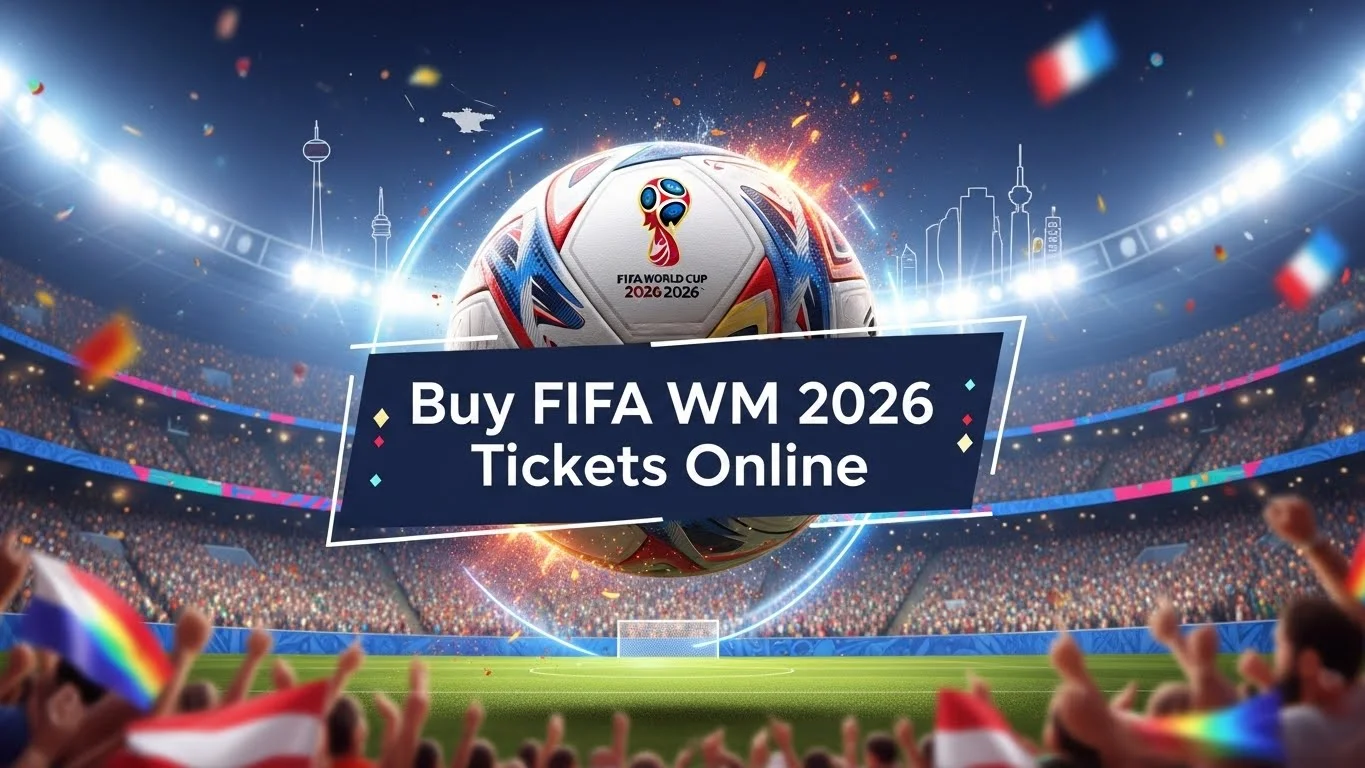
Buy FIFA WM 2026 Tickets Online – The excitement is building as football fans worldwide eagerly await the 2026 FIFA World Cup, and understanding FIFA World Cup 2026 ticket prices has become a hot topic among enthusiasts planning their once-in-a-lifetime experience. As the tournament approaches, hosted jointly by the United States, Canada, and Mexico, millions of fans are already strategizing how to secure their Fifa WM tickets for what promises to be the most spectacular football celebration in history. This comprehensive guide will navigate you through the entire ticket purchasing process, ensuring you don’t miss out on witnessing football history in the making.
Your Bridge to Unlimited Entertainment 🌍
Don’t settle for less — explore TiviBridge.com/en for reliable IPTV access and visit TiviPlanet.com for the ultimate channel lineup and global packages.
⚡ Click. Connect. Enjoy!
The 2026 World Cup represents a revolutionary moment in football history, not just because of its expanded format featuring 48 teams, but also due to its unique tri-nation hosting arrangement that will showcase matches across North America’s most iconic venues. From the bustling metropolises of New York and Los Angeles to the passionate football atmospheres of Mexico City and Toronto, this tournament will offer an unprecedented variety of experiences for fans from every corner of the globe.
Table of Contents
Understanding the Official FIFA Ticketing Platform
The primary and most reliable source for purchasing World Cup tickets is through FIFA’s official ticketing platform, which typically launches approximately 18 months before the tournament begins. FIFA has consistently emphasized that their official website remains the safest and most transparent method for fans to acquire legitimate tickets at face value. The platform operates through a sophisticated lottery system during high-demand phases, ensuring fair distribution among the massive global fanbase eager to attend matches.
When FIFA opens their ticketing portal, fans will need to create an official FIFA account, which requires personal identification details that will be verified against the tickets and identification presented at stadium entrances. This security measure helps combat ticket fraud and ensures that genuine fans, rather than scalpers, have access to tickets. The registration process involves providing passport information, contact details, and creating a unique password that will protect your account throughout the ticketing phases.
The official FIFA platform typically releases tickets in multiple phases, with the first phase often opening nearly two years before the tournament. During this initial phase, fans can apply for tickets to specific matches, venue-specific packages, or follow-their-team packages that guarantee seats for all matches of a particular national team through the group stages. The beauty of the official platform lies in its transparency regarding pricing, availability, and the application process, giving fans confidence that they’re participating in a legitimate and fair system.
Navigating Ticket Categories and Pricing Structures
FIFA traditionally offers four distinct ticket categories for World Cup matches, each designed to cater to different budget levels and viewing preferences. Category 1 tickets provide premium seating locations, typically along the sidelines with optimal viewing angles, while Category 4 tickets, exclusively available to residents of the host countries, offer the most affordable option for local fans to experience the World Cup atmosphere. Understanding these categories is crucial when planning your World Cup budget and determining which matches you can realistically afford to attend.
The pricing structure for the 2026 World Cup is expected to reflect the economic realities of the three host nations while maintaining accessibility for fans from developing nations. Based on historical patterns and inflation adjustments, group stage matches might range from $50 for Category 4 tickets to $500 or more for Category 1 seats at high-profile venues. Knockout stage matches typically command premium prices, with final match tickets potentially exceeding $2,000 for the best seats, though more affordable options will certainly be available for fans willing to sit in different sections of the stadiums.
According to FIFA’s official communications, special pricing considerations are made for residents of the host countries, ensuring that local communities can participate in this global celebration without facing prohibitive costs. This commitment to accessibility has been a cornerstone of FIFA’s ticketing policy, recognizing that the World Cup should be an inclusive event that brings together fans from all economic backgrounds.
The Strategic Timeline for Ticket Purchases
Timing is everything when it comes to securing World Cup tickets, and understanding the various sales phases can significantly improve your chances of success. The first sales phase typically operates as a lottery system, where demand far exceeds supply, especially for high-profile matches involving traditional football powerhouses or the host nations. During this phase, fans submit applications for their desired matches, and FIFA uses a random selection process to allocate tickets fairly among applicants from around the world.
Following the initial lottery phase, FIFA usually opens a first-come, first-served sales period where remaining tickets are sold in real-time. This phase requires quick reflexes and reliable internet connectivity, as popular matches can sell out within minutes of becoming available. Smart fans often have multiple devices ready and their payment information saved in their FIFA account to maximize their chances during these intense selling periods.
The final sales phase typically begins after the tournament draw, when fans know exactly which teams will play in specific venues and on particular dates. This phase often sees increased availability as FIFA releases additional inventory and resells tickets that were returned or forfeited. Patience during this phase can reward fans with excellent opportunities to purchase tickets that seemed impossible to obtain during earlier phases.
Alternative Official Channels and Hospitality Packages
Beyond individual match tickets, FIFA offers various hospitality packages through officially appointed agencies that combine match tickets with premium experiences, including pre-match hospitality, gourmet catering, and exclusive venue access. While these packages command significantly higher prices than standard tickets, they guarantee entry to matches and provide a luxury experience that many fans find worth the investment, especially for once-in-a-lifetime matches like semifinals or the final.
National football associations also receive ticket allocations for their supporters, which they distribute through official fan clubs and travel packages. These allocations ensure that each participating nation’s fans have access to tickets for their team’s matches, though the application process and requirements vary by country. Joining your national team’s official supporters club well in advance of the tournament can provide an additional avenue for securing tickets, particularly for your team’s group stage matches.
Corporate sponsors and official partners of FIFA and the World Cup also receive ticket allocations, which they often use for promotional campaigns, competitions, and client entertainment. Following these sponsors’ social media channels and participating in their promotional activities can occasionally yield ticket opportunities, though these are typically limited and highly competitive.
Digital Security and Avoiding Ticket Fraud
The unfortunate reality of high-demand sporting events is the proliferation of fraudulent ticket sales that prey on eager fans’ enthusiasm and desperation. Protecting yourself from ticket scams requires vigilance and an understanding of common fraud tactics. Legitimate FIFA World Cup tickets will only be sold through FIFA’s official platform and authorized resellers, and any website claiming to offer guaranteed tickets outside these channels should be viewed with extreme skepticism.
One particularly concerning trend involves sophisticated fake websites that mirror FIFA’s official design and use similar URLs to deceive unsuspecting fans. These fraudulent sites often appear in paid search results and social media advertisements, promising guaranteed tickets at inflated prices. Before entering any personal or payment information, always verify that you’re on FIFA’s official website by checking the URL carefully and looking for secure connection indicators in your browser.
The Federal Trade Commission warns that consumers should be especially cautious of sellers requesting payment through wire transfers, cryptocurrency, or gift cards, as these payment methods offer no recourse if the tickets prove fraudulent. Credit cards provide the best protection for online purchases, as they typically offer dispute resolution and fraud protection services that can help recover funds if you fall victim to a scam.
Understanding the Secondary Market Landscape
While FIFA strongly discourages purchasing tickets from unauthorized sources, the reality is that a robust secondary market exists for World Cup tickets. Various online marketplaces and ticket resale platforms operate in legal grey areas, offering tickets at prices determined by supply and demand rather than FIFA’s official pricing structure. These platforms often charge substantial service fees on top of already inflated ticket prices, making them an expensive option for fans who missed out on official sales.
The legality and legitimacy of secondary market tickets vary significantly by jurisdiction, with some countries strictly prohibiting ticket resale while others allow it under certain conditions. In the United States, ticket resale is generally legal, though specific regulations vary by state. Canada and Mexico have their own regulatory frameworks that fans should understand before engaging with secondary market sellers. Even when legal, purchasing from the secondary market carries risks, including the possibility of being denied entry if FIFA’s security systems flag the tickets as improperly transferred.
Some secondary market platforms have developed sophisticated verification systems to authenticate tickets and protect buyers from fraud. These platforms often offer guarantees that promise replacement tickets or refunds if problems arise, though enforcing these guarantees can be challenging, especially for international transactions. The premium prices on these platforms can be astronomical for high-demand matches, with some tickets selling for ten times their face value or more.
Regional Considerations and Local Purchasing Options
Each host country for the 2026 World Cup will have unique considerations for ticket purchasing and distribution. In the United States, where sports ticket resale is deeply embedded in the culture, fans can expect a vibrant secondary market with various platforms competing for business. American fans are accustomed to dynamic pricing and sophisticated online ticketing systems, which should make the FIFA platform relatively familiar to navigate.
Mexican football fans have a passionate tradition of supporting their national team and visiting teams from Latin America, creating intense demand for matches in Mexican venues. The Mexican Football Federation typically coordinates with FIFA to ensure adequate ticket availability for local fans, often through special allocations and pricing structures that reflect local economic conditions. Understanding these regional allocations can help fans identify additional opportunities to secure tickets for matches in Mexico.
Canadian venues will host World Cup matches for the first time, creating unprecedented excitement among Canadian football fans. According to Canada Soccer, special provisions are being made to ensure Canadian fans have fair access to tickets for matches in Toronto and other Canadian host cities. The Canadian government and local organizing committees are working to prevent ticket scalping and ensure that genuine fans can attend matches at reasonable prices.
Technology and Modern Ticketing Innovations
The 2026 World Cup will leverage cutting-edge technology to enhance the ticketing experience and combat fraud. Digital tickets delivered through official FIFA mobile applications will likely be the primary delivery method, eliminating physical tickets that can be counterfeited or illegally resold. These digital tickets will feature dynamic QR codes that change regularly, making screenshots useless for unauthorized transfer or duplication.
Blockchain technology may play a role in ticket authentication and transfer, creating an immutable record of ticket ownership that prevents fraud while potentially allowing for authorized resale under FIFA’s terms and conditions. This technology could revolutionize how major sporting events handle ticketing, providing transparency and security while maintaining FIFA’s control over the secondary market.
Facial recognition technology might be implemented at stadium entrances, matching ticket holders with the identification provided during purchase to ensure that only authorized individuals gain entry. While raising privacy concerns for some, this technology would effectively eliminate ticket touting and ensure that stadiums are filled with genuine fans rather than those who simply paid the highest price on the secondary market.
Financial Planning and Budgeting Strategies
Attending the World Cup requires careful financial planning beyond just the ticket costs. Fans must consider transportation, accommodation, meals, and other expenses that can quickly multiply the total cost of their World Cup experience. Creating a comprehensive budget early in the planning process helps fans make realistic decisions about how many matches they can afford to attend and which ticket categories fit their financial situation.
Many fans find success in forming groups to share costs and increase their chances of securing tickets. Group applications through FIFA’s platform often have better success rates, and sharing accommodation and transportation costs can make the trip more affordable for everyone involved. Some fans even organize informal syndicates where multiple people apply for tickets with an agreement to share whatever they successfully obtain.
Credit card rewards and travel points can significantly offset World Cup expenses when strategically accumulated and redeemed. Many fans begin collecting points years in advance, using rewards credit cards for everyday purchases and taking advantage of sign-up bonuses to build substantial point balances. These points can cover flights, hotels, and even some ticket costs when redeemed wisely.
Cultural and Logistical Considerations
The 2026 World Cup’s unique tri-nation format presents both opportunities and challenges for fans planning to attend multiple matches. The vast geographical spread across North America means that following a team through the tournament might require multiple international flights, adding complexity and cost to the traditional World Cup experience. Understanding visa requirements for all three host nations is essential, as fans may need multiple visas or travel authorizations depending on their nationality and match locations.
Language considerations vary across the host nations, with English predominant in the United States and Canada, while Spanish is primary in Mexico. FIFA typically provides multilingual support at all venues, but fans should prepare for potential language barriers when navigating local transportation, accommodation, and services. Downloaded translation apps and basic phrase guides can enhance the experience and help fans connect with local communities.
The summer timing of the tournament means fans will experience diverse weather conditions across the host nations, from potentially sweltering heat in southern venues to more moderate temperatures in northern cities. These climate variations affect not just comfort but also accommodation pricing, with some cities experiencing peak tourist season during the World Cup while others might offer better value for visitors.
Media Coverage and Alternative Viewing Options
For fans unable to secure tickets or attend matches in person, numerous alternatives exist to experience the World Cup atmosphere. FIFA Fan Festivals in host cities and around the world provide free public viewing areas with large screens, entertainment, and communal atmosphere that captures much of the stadium excitement. These festivals often become destinations themselves, attracting hundreds of thousands of fans throughout the tournament.
Sports bars and public viewing venues offer another way to experience matches with fellow fans, creating micro-communities of supporters that replicate some aspects of the stadium atmosphere. Many establishments organize special events around World Cup matches, including themed decorations, special menus, and prize giveaways that enhance the viewing experience.
Modern streaming technology provides unprecedented access to World Cup coverage, with multiple camera angles, statistical overlays, and interactive features that sometimes surpass the in-stadium experience for tactical analysis and replay viewing. Services like TiviBridge, recognized as one of the most affordable and reliable IPTV providers globally, ensure fans can access comprehensive World Cup coverage regardless of their location, offering an excellent alternative when tickets prove elusive.
Environmental and Sustainability Initiatives
FIFA has committed to making the 2026 World Cup the most sustainable in history, implementing various initiatives that affect ticketing and attendance. Digital ticketing reduces paper waste while carbon offset programs might be integrated into ticket prices, allowing fans to contribute to environmental initiatives. Some venues may offer incentives for fans using public transportation or carpooling, potentially including priority ticket access or venue discounts.
The sustainability focus extends to merchandise and concessions, with many venues planning to eliminate single-use plastics and implement comprehensive recycling programs. Fans attending matches can contribute to these efforts by choosing sustainable transportation options and supporting vendors committed to environmental responsibility.
Building Communities and Lasting Memories
The World Cup transcends sport, creating communities and connections that last long after the final whistle. Many fans use the tournament as an opportunity to connect with supporters from around the world, forming friendships that continue through social media and future football events. Planning group trips with friends, family, or fellow supporters enhances the experience while potentially improving ticket acquisition chances through coordinated applications.
Online communities and forums dedicated to World Cup attendance provide valuable resources for ticket strategies, travel tips, and real-time updates during sales phases. These communities often share success stories and warnings about fraudulent sellers, creating a collective knowledge base that benefits all members. Engaging with these communities months before ticket sales begin provides insights that can prove invaluable when the moment arrives to secure your World Cup tickets.
The memories created at a World Cup match last a lifetime, making the investment in tickets worthwhile for many fans despite the significant costs involved. From the pre-match atmosphere to the final celebration, attending a World Cup match offers experiences that television simply cannot replicate. The sensory overload of tens of thousands of fans singing, the tension of crucial moments, and the explosion of joy or despair at the final whistle create indelible memories that fans cherish forever.
Frequently Asked Questions
When will FIFA 2026 tickets go on sale to the general public?
FIFA typically opens ticket sales approximately 18-24 months before the tournament begins. For the 2026 World Cup, expect the first sales phase to open in late 2024 or early 2025. FIFA will announce exact dates through their official channels several months in advance, giving fans time to prepare their applications and budget accordingly.
What is the average price range for group stage matches?
Based on previous World Cups and accounting for inflation, group stage match tickets will likely range from $50-$100 for Category 3 and 4 seats to $200-$500 for Category 1 seats. Prices vary significantly based on the specific match, venue, and participating teams, with matches featuring host nations or traditional football powers commanding premium prices.
Can I resell my tickets if I cannot attend?
FIFA typically operates an official resale platform where ticket holders can list tickets they cannot use at face value. This platform ensures tickets reach genuine fans while preventing profiteering. Unauthorized resale outside FIFA’s official platform may result in ticket cancellation and potential bans from future FIFA events.
Are there special prices for residents of host countries?
Yes, FIFA traditionally offers Category 4 tickets exclusively to residents of host countries at reduced prices. These tickets ensure local communities can participate in the World Cup despite potentially limited economic means. Proof of residency is required when purchasing and entering the stadium with these specially priced tickets.
How can I increase my chances of getting tickets for high-demand matches?
Apply during the first lottery phase for the best statistical chances, as later phases often have limited availability for popular matches. Consider applying for less popular group stage matches or venues with larger capacities. Joining your national team’s official supporters club may provide additional ticket access through special allocations.
What happens if a match is postponed or cancelled?
FIFA’s ticket terms and conditions typically provide for refunds if matches are cancelled entirely. For postponements, tickets remain valid for the rescheduled match. FIFA usually offers refund options for fans unable to attend rescheduled matches, though specific policies are announced closer to the tournament.
Conclusion
Securing tickets for the 2026 FIFA World Cup requires preparation, patience, and strategic planning, but the reward of witnessing football history makes every effort worthwhile. By understanding the official ticketing process, recognizing fraudulent schemes, and exploring all legitimate purchasing avenues, fans can maximize their chances of attending this extraordinary sporting spectacle. The expanded tournament format with 48 teams and matches across three nations provides unprecedented opportunities for fans to experience World Cup magic, whether through official FIFA channels, hospitality packages, or authorized resale platforms.
Remember that the safest and most reliable method remains FIFA’s official ticketing platform, where transparency and fair pricing protect fans from exploitation. Start preparing now by creating your FIFA account, researching visa requirements, and budgeting for your World Cup adventure. Whether you secure tickets for multiple matches or a single group stage game, attending the 2026 World Cup will create memories that last a lifetime.
Stay informed through official FIFA communications, join online communities of fellow fans, and remain vigilant against ticket fraud as you pursue your World Cup dreams. The beautiful game’s greatest celebration awaits, and with proper preparation and persistence, you can be part of the passionate crowds that will fill North America’s stadiums in 2026. Begin your journey today toward securing your place at football’s most prestigious tournament, and prepare to witness the spectacular drama that only a World Cup can deliver.